Switzerland has one of the most efficient public transportation networks in the world, and understanding it is the key to a stress-free alpine vacation. Buying individual tickets for every train, bus, boat, and cable car can quickly become an administrative and financial nightmare.
The Swiss Travel Pass is an all-in-one ticket for unlimited travel on most of Switzerland's trains, buses and boats. However, it is not always the cheapest option, and its value depends on knowing how it applies to panoramic routes, understanding the fine print on mountain excursions, and planning your itinerary carefully. This guide explains what the pass covers, what it costs in 2026, and how to decide. If you want to compare it with individual tickets, read our SBB app guide as well.
- Broad Transit Coverage: Unlimited travel on standard trains, buses, PostBuses and scheduled lake boats across Switzerland, plus local transport in more than 90 towns and cities.
- The Panoramic Catch: The base fare on famous panoramic trains is covered, but seat reservations (and sometimes supplements) are paid separately and are mandatory.
- Mountain Excursion Rules: Rigi, Stanserhorn and Stoos are included. Many other mountain railways are about 50% off, and Jungfraujoch is typically about 25% off.
- 2026 Prices: Adult 2nd-class consecutive passes cost from CHF 254 (3 days) to CHF 499 (15 days), according to SBB's price list valid until 31 December 2026.
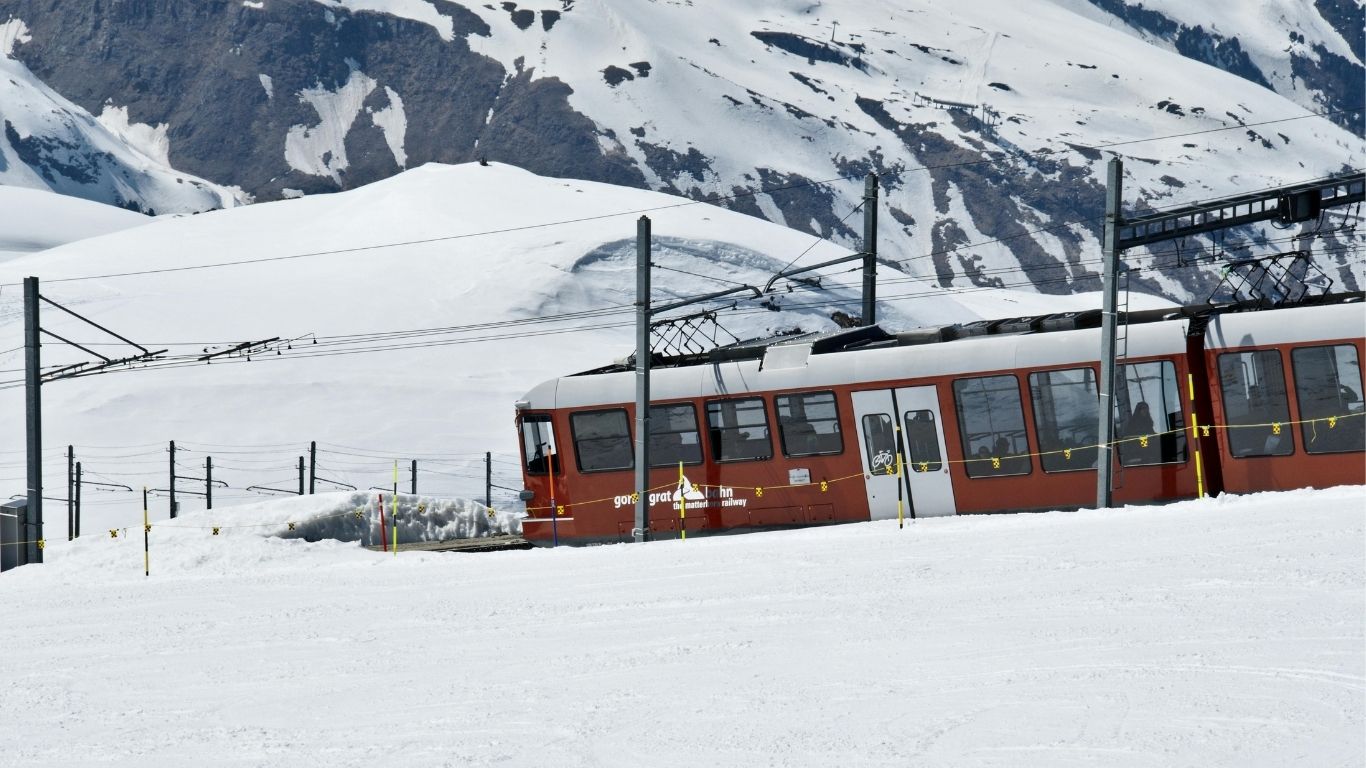
Maximizing Your Swiss Railway Adventure
How the Swiss Travel Pass Works
The Swiss Travel Pass is sold to people who live outside Switzerland and Liechtenstein, for 3, 4, 6, 8 or 15 days. You can choose between a Consecutive Pass, which runs on consecutive days from your start date, or the Swiss Travel Pass Flex (often called the Flexi pass), which lets you pick your travel days within a one-month window. It is available in 2nd or 1st class, and travelers under 25 can buy a Youth version at a discount of about 30%.
The pass is fully digital. Once purchased, you receive an e-ticket containing a unique QR code. Simply save it on your smartphone or print a physical backup copy to show ticket inspectors on board. There is no need to stand in line to purchase individual point-to-point tickets before stepping onto a train. Many pass types can also be added to the SBB Mobile app, so check the options when you buy. A travel day runs until 5 am the next morning.
Panoramic Trains: What the Pass Covers and What You Still Pay
Your pass covers the base fare for legendary journeys such as the Glacier Express, the Bernina Express and the GoldenPass line. These routes feature floor-to-ceiling glass windows specifically designed to offer unobstructed views of massive glaciers, deep gorges, and crystal-clear lakes.
However, a common rookie mistake is assuming the pass guarantees you a seat. Premium panoramic lines require a mandatory seat reservation fee that varies by season. During peak summer and winter seasons, these seats can sell out months in advance. Reservations can generally be made about three months before travel, so book early. Supplements and reservation rules differ by train and section, so check the route you want before you buy.
Mountain Excursions: Free, 50% Off and 25% Off
The pass also unlocks incredible high-altitude savings. Excursions to Mount Rigi, Stanserhorn and Stoos are included in your pass. For many other bucket-list summits, such as the Gornergrat in Zermatt, Mount Pilatus near Lucerne or Titlis, the pass typically gives you about 50% off the mountain railways and cable cars. Jungfraujoch is usually about 25% off. Discounts differ by route and can change, so check the official validity map at the Swiss Travel System before you go.
Additionally, you receive free admission to over 500 museums across the country, including the Swiss National Museum in Zurich and the historic Chillon Castle on Lake Geneva, providing an excellent rainy-day fallback plan. Some attractions give a discount rather than free entry, and the list of participating museums can change, so check the official list for the places you plan to visit.
Buying the Pass and Choosing Your Start Date
You can buy the pass online before you travel, from SBB or from other sellers, or at a ticket counter in Switzerland. Buying ahead saves time and lets you reserve panoramic seats early. Your pass does not activate by itself: you choose the start date when you buy, and a consecutive pass starts at midnight on that date. If you land in the morning and take the airport train that day, a pass starting that day covers it. If you plan a quiet first day, a later start date may save you a day.
Because you will be transitioning regularly between air-conditioned train carriages and windy high-altitude mountain lookouts, packing smart is key. Keep windproof layers and a charged phone handy so you can adapt to changing alpine weather. For a full checklist, see our Switzerland packing guide.
Swiss Travel Pass Prices for 2026
These are adult prices in Swiss francs (CHF) per person from SBB's 2026 price list, valid until 31 December 2026.
| Duration | Consecutive, 2nd class | Consecutive, 1st class | Flex, 2nd class |
|---|---|---|---|
| 3 days | CHF 254 | CHF 405 | CHF 289 |
| 4 days | CHF 309 | CHF 492 | CHF 349 |
| 6 days | CHF 399 | CHF 634 | CHF 424 |
| 8 days | CHF 439 | CHF 697 | CHF 459 |
| 15 days | CHF 499 | CHF 787 | CHF 519 |
Prices can change, including for 2027, and other sellers may show different currencies, fees or exchange rates. Young travelers under 25 can buy a Youth pass at a discount of about 30%. Compare sellers and confirm the final price in the booking options below. Source: SBB 2026 price list.
Swiss Transit Value Comparison
| Transit Type | Swiss Travel Pass Coverage | Additional Action Required | Best Strategic Tip |
|---|---|---|---|
| Standard SBB Trains | 100% Fully Covered | None (Hop on and off) | Use SBB Mobile App to track real-time occupancy |
| Panoramic Trains | 100% Ticket Covered | Mandatory Seat Reservation Fee | Reservations generally open about 3 months ahead, so book early in summer |
| High Peak Cable Cars | 25% to 50% Discounted | Purchase discounted ticket at counter | Check live mountain peak webcams before buying |
| Local City Transport | Included in 90+ towns and cities | None in most cases | Check the validity map for your city |
Which Pass Duration Fits You?
Matching pass length to your actual itinerary shape matters more than your total trip length:
Weekend City-Hoppers
A 3-day pass suits a short Zurich-Lucerne-Bern loop where you're on transit most of each day.
Full Country Explorers
An 8-day pass fits a classic week-long multi-region trip covering the Alps, lakes, and cities without gaps.
Slow, Region-Based Travelers
A Swiss Travel Pass Flex lets you spend several quiet days in one base and only use travel days on the days you actually travel long-distance.
Families
Pair any duration with the free Swiss Family Card so children aged 6 to 15 travel at no extra cost alongside a pass-holding parent. Children under 6 travel free.
Pass Duration & Price Advisor
Enter how many days you'll actively use trains, buses, or boats (not your total trip length) to get a suggested pass tier. Prices shown are adult 2nd-class consecutive pass prices from SBB's 2026 list. This is a guide, not a live fare quote.
Suggested Pass Tier:
Pros & Cons of the Swiss Travel Pass
Major Advantages
- Flexibility: change plans or routes without buying new tickets, on days the pass is valid.
- Covers a massive variety of transit, including lake cruise boats and panoramic train lines.
- Free museum entry provides incredible value on rainier itinerary days.
Key Trade-offs
- Requires a substantial upfront cost, and is not always cheaper than point-to-point tickets or a Half Fare Card.
- Seat reservations and supplements for panoramic trains are not included, and mountain excursions are often only discounted.
- Hard to refund once the pass has started.
Is the Swiss Travel Pass Worth It?
It depends on how many long journeys you take. The pass tends to pay off when you travel on several days, use boats and local transport as well as trains, and want museum entries or discounted mountain lifts. It is less likely to pay off on a trip based in one or two places. Here is a simple way to check:
- List your journeys: write down the trains, buses and boats you plan to take each day and look up their normal fares in the SBB app. Fares there may show Half Fare prices by default, so switch to full price if you do not have a Half Fare Card.
- Add mountain trips: include the excursions you want, and apply the pass discount for each (Rigi, Stanserhorn and Stoos are included; many others are about 50% off; Jungfraujoch is about 25% off).
- Add museums you would actually visit.
- Compare the total with the pass price for the right length, and with a Half Fare Card plus Supersaver tickets if your plans are fixed.
Regional passes, such as ones for the Lucerne area or the Bernese Oberland, can cost less if you stay in one area. For ticket types and common mistakes, read our SBB app guide, and plan your costs with our Switzerland travel cost guide.
Compare Swiss Travel Pass Options & Travel Gear
You can buy the Swiss Travel Pass from SBB and other sellers, including resellers such as Klook. Compare the price, currency, delivery method and refund terms before you buy, and check the start date carefully. For long train days, a power bank, a plug adapter (Switzerland uses Type J sockets) and a weather-resistant daypack can help. Klook and Amazon are affiliate partners, so we may earn a commission at no extra cost to you. As an Amazon Associate we earn from qualifying purchases.
Want to take this pass guide offline on your journey?
- Boarding premium panoramic trains without a seat assignment: Conductors check passes and reservations separately. Traveling on these trains without the required reservation can lead to extra charges or a fine.
- Buying passes for heavily localized city-only stays: If you plan to spend 4 days exploring only downtown Geneva or Zurich, regional urban cards or standard point-to-point tickets may cost less. Add up your fares first.
- Choosing the wrong start date: A consecutive pass starts at midnight on the date you choose, and it can be hard to change or refund once it has started. Check the date before you pay.
The Final Verdict
The Swiss Travel Pass is an unmatched option for travelers who want to dive deep into Switzerland's iconic landscape via rail. If your itinerary has many long journeys, pairing the pass with early panoramic seat reservations can make travel simple and flexible. If it does not, add up your fares first, because individual tickets or a Half Fare Card may cost less.
Frequently Asked Questions
Does the Swiss Travel Pass cover panoramic trains like the Glacier Express?+
Yes, the pass covers the base fare on panoramic trains such as the Glacier Express and the Bernina Express, but seat reservations (and on some trains supplements) are charged separately and are mandatory. Reservations can generally be made about three months ahead, so book early for summer. Rules differ by train, so check each route.
How much does the Swiss Travel Pass cost in 2026?+
According to SBB's 2026 price list (valid until 31 December 2026), adult 2nd-class consecutive passes cost CHF 254 for 3 days, CHF 309 for 4 days, CHF 399 for 6 days, CHF 439 for 8 days and CHF 499 for 15 days. 1st class costs CHF 405, 492, 634, 697 and 787. Prices for 2027 may change, and resellers may show other currencies, so confirm at checkout.
Is the Swiss Travel Pass worth it?+
It can be if you take many long train, bus or boat journeys in a short time, or you want the museum entries and mountain discounts. If you only plan a few journeys, point-to-point tickets, Supersaver fares or a Half Fare Card can cost less. Add up your planned routes first and compare the total with the pass price.
Should I buy a Consecutive or a Flex Swiss Travel Pass?+
Choose the consecutive pass if you plan to travel almost every day of your trip. Choose the Swiss Travel Pass Flex (often called the Flexi pass) if you want to spread your travel days across one month. Flex usually costs more than a consecutive pass of the same length, for example CHF 424 versus CHF 399 for 6 days in 2nd class in 2026.
Do children travel for free with the Swiss Travel Pass?+
Children under 6 travel free. Children aged 6 to 15 travel free when accompanied by at least one parent holding a valid pass and using the free Swiss Family Card, which you request when you buy the pass. Young adults under 25 can buy a Youth pass at a discount of about 30%.
Does the Swiss Travel Pass include Jungfraujoch?+
Not fully. Pass holders typically get about 25% off the Jungfraujoch route. Rigi, Stanserhorn and Stoos are included, and many other mountain railways such as Gornergrat, Pilatus and Titlis are usually 50% off. Discounts can change, so check the official validity map before you go.
How many days of Swiss Travel Pass should I buy?+
Match the pass length to the number of days you will actively use trains, buses or boats, not your total trip length. A week-long trip with 4 to 5 active travel days often suits a 4 or 6-day pass, or a Flex pass, better than an 8-day consecutive pass.
Can I use the pass on the day I land at the airport?+
Yes, if your pass starts on your arrival date. A consecutive pass is valid from midnight on the start date, so it covers the airport train into Zurich or Geneva city centre. Each travel day runs until 5 am the next morning.
Is the Swiss Travel Pass refundable?+
It depends on the seller, but passes are generally refundable if unused and cancelled before the first day of validity. Once the pass is valid it is usually not refundable, except in limited cases such as illness or accident with documentation. Check the seller's cancellation terms before you buy, and note that some sellers charge a fee.