- The Booking Strategy: Book 4 to 6 months in advance for peak summer (July-August) and ski seasons (December-March) to secure prime locations.
- The Transport Advantage: Hotels in cities such as Geneva, Basel, Bern and Lucerne typically give guests a free local transport card or ticket for their stay. Rules vary, so check with your hotel.
- Hidden Expense Warning: Municipal visitor taxes (Kurtaxe) vary by destination, typically a few francs per person per night, and may not be included in upfront prices.
Navigating Swiss Accommodation Options
Finding the absolute best hotels in Switzerland requires balancing breathtaking mountain panoramas with strategic proximity to Switzerland’s world-renowned rail network. Whether you are searching for historic 5-star grand palaces in Zermatt, intimate wooden boutique chalets in the Bernese Oberland, or minimalist urban bases in Zurich, your lodging selection shapes your overall travel budget and daily itinerary.
Swiss hospitality carries a centuries-old tradition characterized by high cleanliness standards, exceptional service, and meticulous attention to detail. However, accommodation costs remain among the highest in Europe. Navigating local visitor taxes, seasonal rate spikes, and regional geography is essential for planning a smooth Swiss vacation.
This guide covers the best regions to stay, example luxury and budget stays, typical costs and how to book. To plan around trains, see our SBB app guide and Swiss Travel Pass guide, and sort out mobile data with our best eSIM for Switzerland guide.
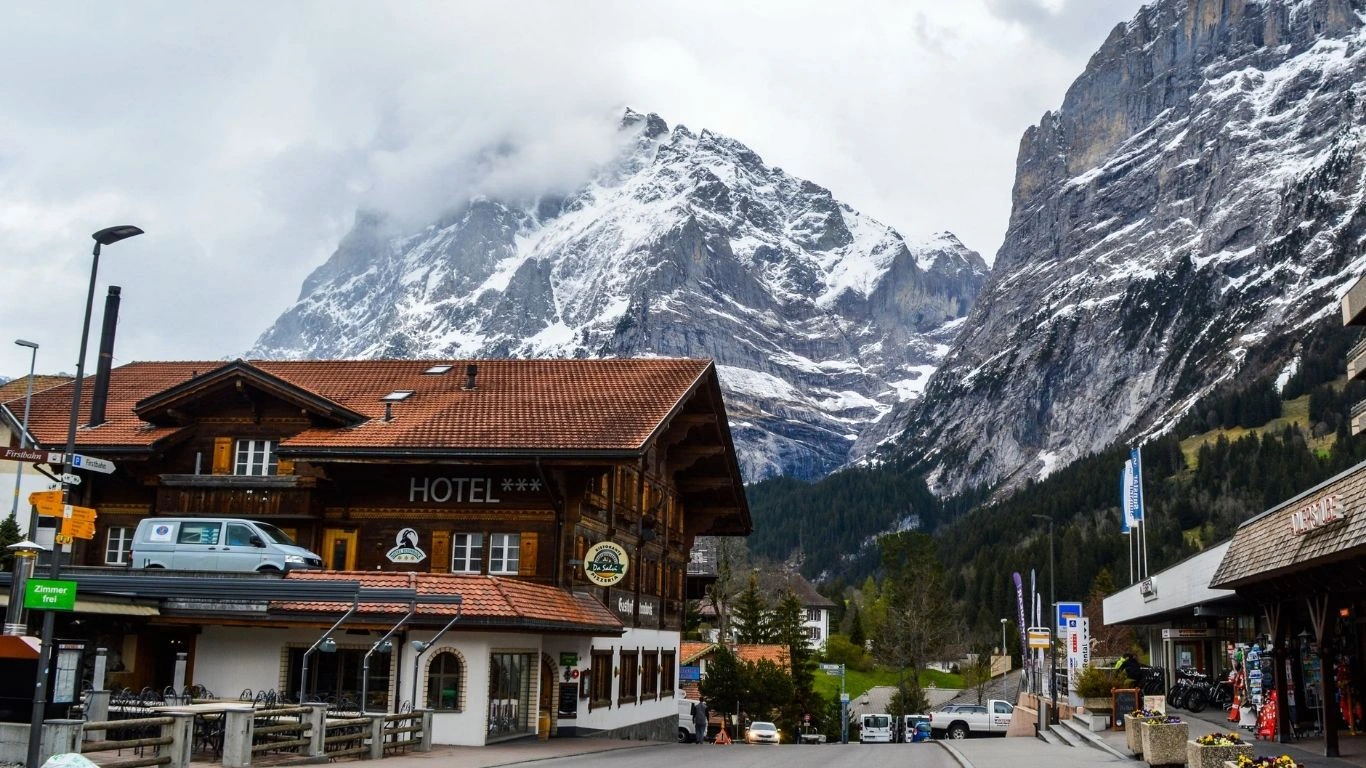
Best Regions to Stay in Switzerland
Switzerland is divided into distinct linguistic and geographical regions, each offering unique lodging characteristics. Choosing your primary base depends on your travel goals:
- Bernese Oberland (Interlaken, Grindelwald, Lauterbrunnen): Ideal for first-timers wanting direct access to the Jungfraujoch, hiking trails, and alpine cable cars.
- Valais Region (Zermatt): Home to the iconic Matterhorn, world-class ski resorts, and car-free village stays.
- Central Switzerland (Lucerne): Perfect for lake cruises, historic timber bridges, and trips up Mount Pilatus.
- Metropolitan Hubs (Zurich, Geneva): Top choices for luxury boutique shopping, dining, and effortless airport connectivity.
In cities such as Geneva, Basel, Bern and Lucerne, hotel guests can typically get a free local transport card or ticket for the length of their stay. Details differ by city and accommodation, so ask your hotel when you book or check in.
Top Luxury Grand Hotels & Alpine Spas
Swiss luxury hotels are legendary for hosting royalty, artists, and international travelers. These properties combine heritage architecture with cutting-edge wellness facilities. Rates and amenities change, so check each hotel's official site for current details. For more alpine stays, see our best mountain hotels guide.
- The Omnia (Zermatt): A cliffside mountain lodge blending American mountain-lodge style with Swiss alpine tradition, offering direct views of the Matterhorn.
- Badrutt's Palace (St. Moritz): A historic St. Moritz landmark known for winter glamour and fine dining.
- The Dolder Grand (Zurich): A hilltop sanctuary overlooking Zurich city, featuring a world-class 4,000-square-meter spa and a renowned contemporary art collection.
Smart Budget Stays & Hostel Networks
Traveling to Switzerland on a budget does not mean sacrificing comfort. The Swiss Youth Hostel Association operates high-quality, modern, and family-friendly properties across major hubs.
- Interlaken Youth Hostel: Centrally located with clean dorms and private rooms, perfect for backpackers exploring the Bernese Alps.
- Zermatt Youth Hostel: A budget base for climbers and skiers in the Matterhorn region. Zermatt is expensive, so book early.
Always factor in food costs when booking budget apartments or hostels. Dining out in Swiss restaurants is expensive; utilizing local Migros or Coop supermarkets can cut your daily food costs significantly.
Guest Cards & Visitor Tax (Kurtaxe)
Many Swiss destinations charge a local visitor tax (Kurtaxe) per person per night, with rates set by each municipality. It may be paid at the hotel and isn't always shown in the upfront price on booking sites, so check the rate details before you book.
In some places the tax comes with a guest card. In cities such as Geneva, Basel, Bern and Lucerne, hotel guests can typically get free local public transport for their stay, and in resort areas a guest card may give discounts on lifts and attractions. Rules differ by destination, and Zurich generally doesn't offer free transport for hotel guests, so ask your hotel at booking or check-in. See the official MySwitzerland guest cards page.
Swiss Lodging Expense Estimator
Calculate your estimated accommodation cost including local visitor taxes based on your travel style and duration.
Estimated Breakdown:
Estimates only: the calculator uses fixed sample nightly rates and a flat 4 CHF per night visitor tax. Real prices vary by season, destination and room type.
Switzerland Hotel Category Matrix
Compare average nightly costs, typical amenities, and ideal traveler types across different tiers:
| Category | Average Cost (CHF) | Key Amenities | Best For |
|---|---|---|---|
| Hostel / Budget | 40 – 90 CHF (dorm bed) | Shared/Private rooms, shared kitchen, free Wi-Fi | Backpackers, solo travelers, students |
| Mid-Range 3-Star | 150 – 280 CHF | Private bathroom, breakfast included, central location | Couples, families, standard tourists |
| Luxury 5-Star | 500 – 1,200+ CHF | Spa, fine dining, valet, panoramic mountain views | Honeymooners, luxury seekers, VIPs |
Price ranges are rough guidance for typical rooms. They vary by season and destination, and luxury rates can be far higher in peak season.
Staying Near Train Stations vs. Alpine Villages
Location choice significantly impacts both your convenience and travel experience:
City Train Station Hubs
Pros: Effortless luggage hauling, direct connections to regional trains, extensive dining options nearby.
Cons: Urban environment lacks traditional alpine scenery; can be busy and noisy.
Alpine Mountain Villages
Pros: Breathtaking views right from your window, authentic wooden chalet atmosphere, quiet nature.
Cons: Requires cable cars, cogwheel trains, or mountain transfers; higher dining and lodging costs.
Which Hotel Category Fits You?
Beyond budget, the right stay depends on what kind of trip you're taking:
Honeymooners & Luxury Seekers
The Omnia or Badrutt's Palace deliver the cliffside views and five-star service worth splurging on for a special trip.
Families
Mid-range 3-star hotels near train stations keep logistics simple with breakfast included and easy access to transit.
Backpackers & Solo Travelers
Swiss Youth Hostels in Interlaken or Zermatt offer clean, social, budget-friendly bases without sacrificing safety or comfort.
Ski & Hiking Enthusiasts
Alpine village stays in Zermatt or the Bernese Oberland put trailheads and lifts right outside your door.
Direct Booking vs. Third-Party Platforms
How you book can affect both price and flexibility:
Booking Directly with the Hotel
Pros: Can offer flexible rates, perks such as possible upgrades (not guaranteed), and direct communication for special requests.
Cons: Requires visiting each property's own site individually; no single place to compare rates.
Booking Through a Platform
Pros: Compare dozens of properties at once, read verified reviews, and bundle with tours or passes.
Cons: Cancellation policies vary by listing; upgrades and special requests aren't guaranteed.
What to Check Before You Book
- The free-cancellation deadline, and whether the rate is refundable.
- Whether breakfast and the Kurtaxe visitor tax are included.
- Distance to the train station, and luggage options in car-free villages such as Zermatt.
- Whether your hotel offers a guest transport card.
- The total price for your dates, compared between the hotel's own site and a booking platform.
Want to take this hotel guide offline on your travels?
Where to Compare Hotels & Rail Passes
Once you've chosen a region and budget, compare current options before you book. We may earn a commission if you book through these links, at no extra cost to you. Prices, availability and cancellation terms are set by the providers.
Klook Hotels
Hotel listings alongside tours, passes and activities. Availability varies by destination.
- Good for: comparing options and bundling activities in one place.
- Keep in mind: compare the price with the hotel's own site and at least one other platform, and check the cancellation terms.
Affiliate link: we may earn a commission at no extra cost to you.
Swiss Travel Pass
A pass covering rail, bus and boat travel across Switzerland.
- Good for: trips that move between several regions by public transport.
- Keep in mind: a pass isn't always cheaper if you stay in one or two places. Compare it with per-journey tickets (see our Swiss Travel Pass guide).
Affiliate link: we may earn a commission at no extra cost to you.
Frequently Asked Questions
What is the average cost of a hotel per night in Switzerland?+
Prices vary widely by season, location and room type. As a rough guide, budget stays such as hostel dorm beds often start around 40–90 CHF per person, mid-range 3-star hotels around 150–280 CHF per room, and luxury 5-star hotels from about 500 CHF and often well above 1,000 CHF in peak season. Resorts such as Zermatt can cost more, so check live rates for your dates.
What is the Swiss Visitor City Tax (Kurtaxe)?+
The Kurtaxe is a local visitor tax charged per person per night, with rates set by each municipality. Many places charge a few francs, and rates vary by destination, season and age. It is often paid at the hotel and may not be included in the upfront price on booking sites, so check the rate details. In some cities it comes with a guest transport card.
How far in advance should I book Swiss accommodation?+
For peak summer travel (July–August) and the winter ski season (December–March), booking 4 to 6 months ahead is a sensible guideline to secure the best rates and availability, especially in popular resorts.
Is breakfast usually included in Swiss hotel rates?+
Many mid-range and luxury hotels include breakfast, but hostels and some budget hotels charge separately. Always check the rate inclusions before booking, since it can meaningfully affect your daily food budget.
Do Swiss hotels require a deposit or credit card guarantee?+
Most properties require a valid credit card to guarantee the booking, and some luxury resorts charge a deposit for peak-season stays. Free cancellation windows vary by rate type, so check the fine print.
Can I find family rooms or connecting rooms in Swiss hotels?+
Yes, most mid-range and luxury hotels in tourist regions offer family or connecting rooms, though availability is limited, so booking several months ahead is recommended for families.
Do hotels in Switzerland include free public transport?+
In some cities, yes. Hotel guests in cities such as Geneva, Basel, Bern and Lucerne can typically get a free local transport card or ticket for the length of their stay, but details differ by city and accommodation. Zurich generally doesn't offer this. Ask your hotel or check the city's tourism site.
Should I stay in a city or a mountain village?+
City hotels near train stations are convenient for luggage and day trips by rail, while mountain villages offer views and trail access but may need cable cars or transfers and often cost more. Many travelers combine one city base with one or two alpine stays.
Official Tourism & Transit Resources
For official regulations, regional updates, and comprehensive planning tools, consult these authoritative Swiss portals: